
Why Do Indians Wear White on Independence Day? The Real History
It isn't just a colour scheme. White carries a specific weight in the story of India's freedom — and here's where it comes from.
By Team Prathaa · 27 July 2026 · 5 min read · Filed under History, Independence Day
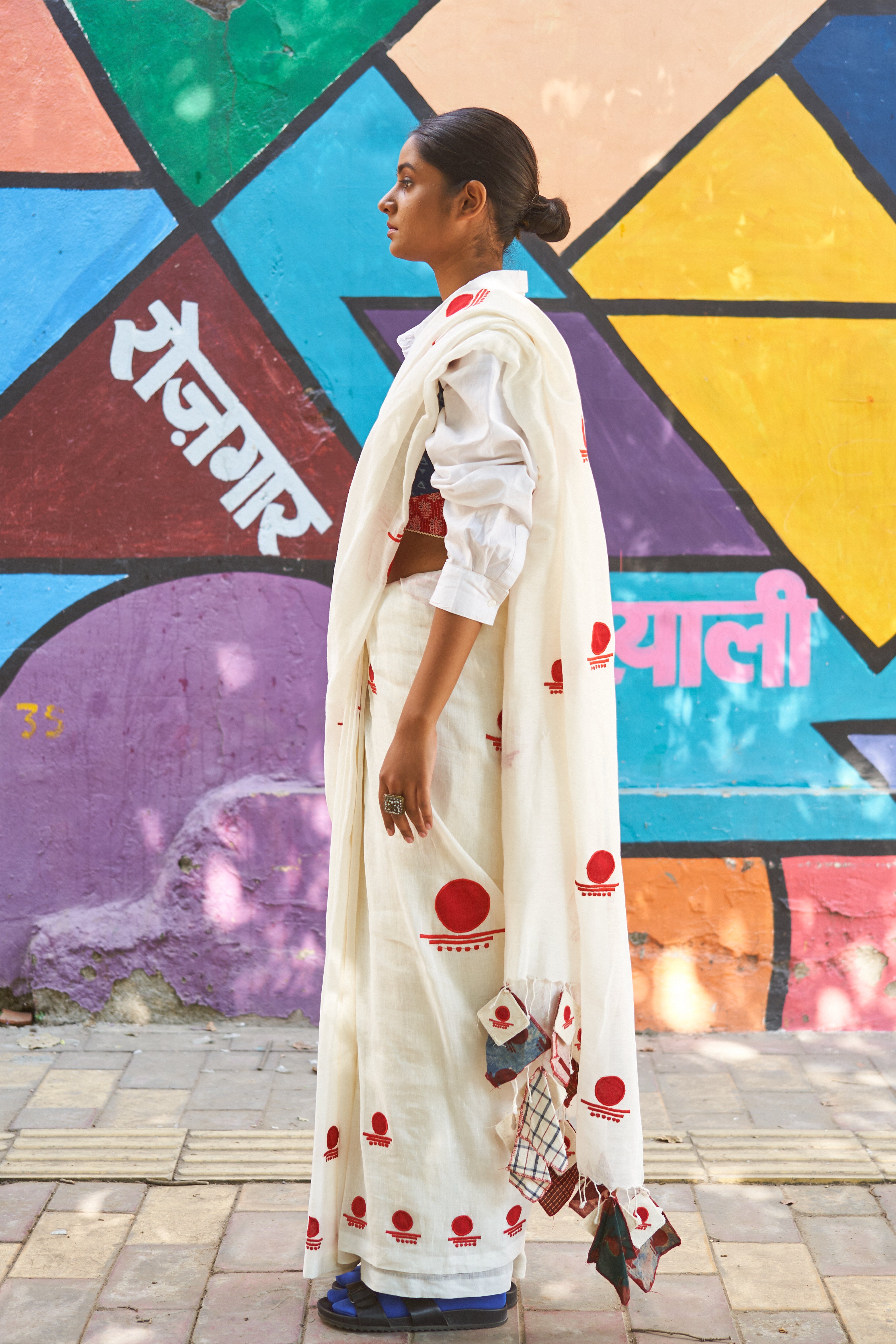
White, undyed cotton — the quiet default of the freedom movement, and the reason so many of us reach for it on August 15.
The short answer
White became linked to the freedom movement through homespun Indian cloth, which was most often left undyed and worn plain. Over the decades it came to stand for simplicity, self-reliance and a rejection of imported finery — which is why so many Indians reach for white on August 15.
Every Independence Day, photographs from flag hoistings across the country share a quiet common thread: a sea of white. Politicians, schoolchildren, office staff and grandparents all seem to arrive in the same shade. It looks like coincidence. It isn't.
White and the cloth of the freedom movement
The association goes back to the early twentieth century, when Indian leaders urged people to abandon imported mill-made fabric and spin and weave their own cloth at home. This homespun cotton was cheap to make, could be produced in any village, and put money and dignity back into Indian hands. It was frequently left in its natural, undyed state — a soft, unbleached white — because dye cost extra and plainness was itself the point.
Wearing that plain cloth became a visible act of participation. You didn't need a speech or a banner; the fabric on your back said which side you were on. Over time, white stopped being merely the default colour of undyed cotton and became shorthand for the whole movement: modest, self-made, unbothered with showing off.
What the colour came to mean
Three ideas gathered around white over the freedom decades, and they still travel with it today.
Simplicity. White cloth, plainly worn, was a deliberate rejection of imported luxury and visible wealth. It signalled that the cause mattered more than the costume.
Self-reliance. Because the cloth was made by Indian hands on Indian looms, wearing it was an economic statement as much as a moral one — support for local livelihoods over foreign factories.
Unity. White suits everyone and flatters no rank. In a crowd, it flattens the difference between wealthy and poor, and that levelling was part of its appeal to a movement built on the idea of one people.
Why it stuck
Independence arrived in 1947, but the visual habit outlived the struggle. White had become the respectful, patriotic default — the colour you wear when you want to honour the day without turning yourself into a walking flag. It reads as dignified rather than showy, which is exactly the register most people want to strike at a solemn public ceremony.
There's also a purely practical reason it endures: August in most of India is hot and humid, and white, breathable cotton is simply the most comfortable thing to stand around in for a morning ceremony. History and weather happen to agree.
Wearing the meaning today
You don't need to reenact anything to honour the idea. Choosing white cloth that's genuinely woven by Indian hands — rather than mass-printed to look the part — keeps faith with what the colour originally stood for: local making, honest simplicity, and quiet pride. That's the throughline from a homespun movement a century ago to a white cotton dress in 2026.
References
- Swadeshi Movement — Encyclopædia Britannica
- Flag of India: colours, meaning & hand-woven-cloth standard — Encyclopædia Britannica
Keep exploring: The Independence Day Edit · Handloom Sarees · Handloom Dresses · Meet the Founder

Written by Prathaa Weaving Traditions
















Leave a comment
This site is protected by hCaptcha and the hCaptcha Privacy Policy and Terms of Service apply.